Buy stbookly.eu ?
We are moving the project
stbookly.eu .
Are you interested in purchasing the domain
stbookly.eu ?
domain@kv-gmbh.de · 0541-91531010
Buy stbookly.eu ?
What destroyed the solenoid coil?
The solenoid coil was destroyed due to overheating. This could have been caused by excessive current flowing through the coil, leading to a buildup of heat and ultimately damaging the insulation and wire windings. It's also possible that the coil was subjected to a voltage surge, which can cause overheating and damage to the coil. Additionally, if the coil was not properly sized for the application or if it was exposed to harsh environmental conditions, these factors could have contributed to its destruction. **
What is a solenoid valve 2?
A solenoid valve is an electromechanical device that is used to control the flow of liquid or gas in a system. It consists of a coil of wire (solenoid) that, when energized, generates a magnetic field to actuate a plunger or a pilot valve, allowing the flow of fluid through the valve. Solenoid valves are commonly used in various applications such as irrigation systems, HVAC systems, industrial automation, and fluid control systems. They are known for their quick response time, reliability, and ability to be easily automated. **

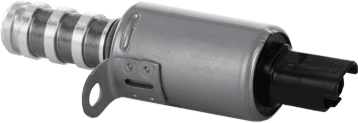
Similar search terms for MAXGEAR-27-0684-VVT-solenoid
Top-Angebote
Products related to MAXGEAR-27-0684-VVT-solenoid:
-
RIDEX 3826C0137 VVT solenoidTecDoc Engine Number: 26326, 26727, 27152, 36968, 27809, 27976, 35413, 27977, 28425, 37154, 29285, 29777, 30930, 31365, 31650, 29744, 31667, 45714, 32027, 32026, 33106, 32140, 35382, 40476, 40475, 30801, 36172, 29248, 34627, 36091, 36169, 35306, 36171, 35481, 34850, 45706, 41280, 36877, 44690, 36590, 34439, 45007, 37374, 41771, 35381, 37304, 26719; Construction Year from: 06/2016; Construction Year to: 06/2016, 04/2022, 01/2022, 03/202224,99 £*Shipping: 8,45 £Secure redirect to the provider
-
VDO 2800014007180 VVT solenoidObserve the vehicle manufacturer specifications: ; Supplementary Article / Supplementary Info Info 2: Control Unit/Software must be trained/updated; Always compare old and new part (in particular OE No.): ; Fitting Position: Exhaust Side; Vehicle Identification Number (VIN) from: 1K-B-000 001, 1J-4-000 001, 1J-6-000 001, 7H-3-000 001, 7J-3-000 001; Vehicle Identification Number (VIN) to: 7H-A-050 000, 7J-A-010 000, 1K-9-200 000; Construction Year to: 12/2006104,99 £*Shipping: 8,45 £Secure redirect to the provider
-
ET ENGINETEAM CV0013 VVT solenoidVoltage [V]: 12; Supplementary Article / Supplementary Info Info 2: with seal ring; Number of pins: 2; Connector Shape: right-angled; Operating Mode: Electric-hydraulic; TecDoc Engine Number: 18945, 26931, 31124, 20538, 30334, 30330, 18546, 18038, 18167, 21152, 18358, 21093, 18034, 18044, 18168, 27479, 18037, 18516, 18515, 20580, 25170, 27476, 2747858,49 £*Shipping: 8,45 £Secure redirect to the provider
-
MAXGEAR 27-0285 Oil DipstickColour: yellow; Material: Steel; Supplementary Article / Supplementary Info: with gasket/seal; for RPO number from: 07819; TecDoc Engine Number: 6554, 5080, 14729, 14731, 8507, 5396, 9848, 2777; Engine Number from: 2728821, 2408786, 2281201; Emissions Standard: L3; for manufacturer emissions standard: L3, K, CEE:L3; Vehicle type: TU3JP/KFW, TU3JP/KFX; not for manufacturer emissions standard: K, W4, CEE:W4, L4, FL5; not for emissions standard: L4, W4, FL5/L57,29 £*Shipping: 8,45 £Secure redirect to the provider


-
Which motor oil is suitable for the Toyota Yaris 1.0 VVT-i XP13M 2014?
For the Toyota Yaris 1.0 VVT-i XP13M 2014, it is recommended to use a motor oil that meets the specifications outlined in the owner's manual. Typically, a 5W-30 or 0W-20 viscosity oil that meets the API SN or SN Plus specifications is suitable for this vehicle. It's important to use a high-quality oil that is designed for the specific requirements of the engine to ensure optimal performance and longevity. It's always best to consult the owner's manual or a certified mechanic for the most accurate information. **
-
What causes the pressure drop at the gas solenoid valve?
The pressure drop at the gas solenoid valve is primarily caused by the restriction in the flow of gas as it passes through the valve. This restriction is created by the design of the valve, which typically includes a small orifice that limits the flow rate. Additionally, the electromagnetic coil in the solenoid valve can also contribute to pressure drop as it may obstruct the flow path. Overall, the pressure drop is a natural consequence of the valve's function in controlling and regulating the flow of gas. **
-
What causes the pressure loss at the gas solenoid valve?
The pressure loss at the gas solenoid valve can be caused by several factors. One common cause is the presence of debris or foreign particles in the gas line, which can obstruct the flow of gas and lead to pressure loss. Additionally, a malfunctioning or worn-out solenoid valve can also contribute to pressure loss. Another possible cause is a leak in the gas line, which can result in a decrease in pressure at the solenoid valve. Regular maintenance and inspection of the gas system can help identify and address these issues to prevent pressure loss at the solenoid valve. **
-
Is there an aquarium solenoid valve for 12V or 220V?
Yes, there are aquarium solenoid valves available for both 12V and 220V power supplies. The choice between the two depends on the specific requirements of your aquarium setup and the availability of power sources. It is important to ensure that the solenoid valve you choose is compatible with the power supply you have in place to avoid any issues with installation and operation. **


Can a solenoid withstand a continuous current of 200 mA?
The ability of a solenoid to withstand a continuous current of 200 mA depends on its design and specifications. Some solenoids are designed to handle continuous currents of 200 mA or even higher, while others may not be able to handle such a high continuous current without overheating or damaging the coil. It is important to refer to the manufacturer's specifications and ratings for the specific solenoid in question to determine its maximum continuous current capacity. **
How do you connect a solenoid valve to an irrigation controller?
To connect a solenoid valve to an irrigation controller, you will need to first identify the common wire and the zone wire on the irrigation controller. The common wire is usually labeled as "C" and the zone wire is labeled as "1", "2", "3", etc. Then, you will need to connect the common wire from the irrigation controller to the common terminal on the solenoid valve. Next, connect the zone wire from the irrigation controller to the zone terminal on the solenoid valve. Once the wires are connected, the solenoid valve will be able to receive signals from the irrigation controller to open and close the valve as needed for watering. **
Top-Angebote
Products related to MAXGEAR-27-0684-VVT-solenoid:
-
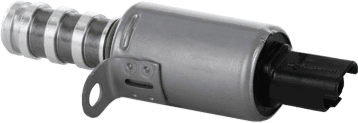
MAXGEAR 27-0684 VVT solenoidFitting Position: Intake Side; Voltage [V]: 12; Supplementary Article / Supplementary Info Info 2: with seal ring; Operating Mode: Electric-hydraulic; Valve Type: Control Valve; TecDoc Engine Number: 24792, 24791, 24786, 18604, 24445, 20064, 18613, 22593, 22594, 24965, 24002, 32928, 23639, 28527; TecDoc PC Type Number: 24935, 5747841,49 £*Shipping: 8,45 £Secure redirect to the provider
-
RIDEX 3826C0137 VVT solenoidTecDoc Engine Number: 26326, 26727, 27152, 36968, 27809, 27976, 35413, 27977, 28425, 37154, 29285, 29777, 30930, 31365, 31650, 29744, 31667, 45714, 32027, 32026, 33106, 32140, 35382, 40476, 40475, 30801, 36172, 29248, 34627, 36091, 36169, 35306, 36171, 35481, 34850, 45706, 41280, 36877, 44690, 36590, 34439, 45007, 37374, 41771, 35381, 37304, 26719; Construction Year from: 06/2016; Construction Year to: 06/2016, 04/2022, 01/2022, 03/202224,99 £*Shipping: 8,45 £Secure redirect to the provider
-
VDO 2800014007180 VVT solenoidObserve the vehicle manufacturer specifications: ; Supplementary Article / Supplementary Info Info 2: Control Unit/Software must be trained/updated; Always compare old and new part (in particular OE No.): ; Fitting Position: Exhaust Side; Vehicle Identification Number (VIN) from: 1K-B-000 001, 1J-4-000 001, 1J-6-000 001, 7H-3-000 001, 7J-3-000 001; Vehicle Identification Number (VIN) to: 7H-A-050 000, 7J-A-010 000, 1K-9-200 000; Construction Year to: 12/2006104,99 £*Shipping: 8,45 £Secure redirect to the provider
-
What destroyed the solenoid coil?
The solenoid coil was destroyed due to overheating. This could have been caused by excessive current flowing through the coil, leading to a buildup of heat and ultimately damaging the insulation and wire windings. It's also possible that the coil was subjected to a voltage surge, which can cause overheating and damage to the coil. Additionally, if the coil was not properly sized for the application or if it was exposed to harsh environmental conditions, these factors could have contributed to its destruction. **
-
What is a solenoid valve 2?
A solenoid valve is an electromechanical device that is used to control the flow of liquid or gas in a system. It consists of a coil of wire (solenoid) that, when energized, generates a magnetic field to actuate a plunger or a pilot valve, allowing the flow of fluid through the valve. Solenoid valves are commonly used in various applications such as irrigation systems, HVAC systems, industrial automation, and fluid control systems. They are known for their quick response time, reliability, and ability to be easily automated. **
-
Which motor oil is suitable for the Toyota Yaris 1.0 VVT-i XP13M 2014?
For the Toyota Yaris 1.0 VVT-i XP13M 2014, it is recommended to use a motor oil that meets the specifications outlined in the owner's manual. Typically, a 5W-30 or 0W-20 viscosity oil that meets the API SN or SN Plus specifications is suitable for this vehicle. It's important to use a high-quality oil that is designed for the specific requirements of the engine to ensure optimal performance and longevity. It's always best to consult the owner's manual or a certified mechanic for the most accurate information. **
-
What causes the pressure drop at the gas solenoid valve?
The pressure drop at the gas solenoid valve is primarily caused by the restriction in the flow of gas as it passes through the valve. This restriction is created by the design of the valve, which typically includes a small orifice that limits the flow rate. Additionally, the electromagnetic coil in the solenoid valve can also contribute to pressure drop as it may obstruct the flow path. Overall, the pressure drop is a natural consequence of the valve's function in controlling and regulating the flow of gas. **
Similar search terms for MAXGEAR-27-0684-VVT-solenoid
-
ET ENGINETEAM CV0013 VVT solenoidVoltage [V]: 12; Supplementary Article / Supplementary Info Info 2: with seal ring; Number of pins: 2; Connector Shape: right-angled; Operating Mode: Electric-hydraulic; TecDoc Engine Number: 18945, 26931, 31124, 20538, 30334, 30330, 18546, 18038, 18167, 21152, 18358, 21093, 18034, 18044, 18168, 27479, 18037, 18516, 18515, 20580, 25170, 27476, 2747858,49 £*Shipping: 8,45 £Secure redirect to the provider
-
MAXGEAR 27-0285 Oil DipstickColour: yellow; Material: Steel; Supplementary Article / Supplementary Info: with gasket/seal; for RPO number from: 07819; TecDoc Engine Number: 6554, 5080, 14729, 14731, 8507, 5396, 9848, 2777; Engine Number from: 2728821, 2408786, 2281201; Emissions Standard: L3; for manufacturer emissions standard: L3, K, CEE:L3; Vehicle type: TU3JP/KFW, TU3JP/KFX; not for manufacturer emissions standard: K, W4, CEE:W4, L4, FL5; not for emissions standard: L4, W4, FL5/L57,29 £*Shipping: 8,45 £Secure redirect to the provider
-
MAXGEAR 27-0965 Oil DipstickSupplementary Article / Supplementary Info: with gasket/seal; Colour: yellow; Material: Steel; Engine Features/Arrangement: for engines without balance shaft; for DAM number from: 14299U9, 15509LT, 15384LT, 14785CJ, 1533889, 15528LT, 15528U9, 16015LT, 16015U9, 15582U9, 15432LT, 15432U9; for DAM number to: 1603789; TecDoc Engine Number: 40860, 41012, 418806,29 £*Shipping: 8,45 £Secure redirect to the provider
-
What causes the pressure loss at the gas solenoid valve?
The pressure loss at the gas solenoid valve can be caused by several factors. One common cause is the presence of debris or foreign particles in the gas line, which can obstruct the flow of gas and lead to pressure loss. Additionally, a malfunctioning or worn-out solenoid valve can also contribute to pressure loss. Another possible cause is a leak in the gas line, which can result in a decrease in pressure at the solenoid valve. Regular maintenance and inspection of the gas system can help identify and address these issues to prevent pressure loss at the solenoid valve. **
-
Is there an aquarium solenoid valve for 12V or 220V?
Yes, there are aquarium solenoid valves available for both 12V and 220V power supplies. The choice between the two depends on the specific requirements of your aquarium setup and the availability of power sources. It is important to ensure that the solenoid valve you choose is compatible with the power supply you have in place to avoid any issues with installation and operation. **
-
Can a solenoid withstand a continuous current of 200 mA?
The ability of a solenoid to withstand a continuous current of 200 mA depends on its design and specifications. Some solenoids are designed to handle continuous currents of 200 mA or even higher, while others may not be able to handle such a high continuous current without overheating or damaging the coil. It is important to refer to the manufacturer's specifications and ratings for the specific solenoid in question to determine its maximum continuous current capacity. **
-
How do you connect a solenoid valve to an irrigation controller?
To connect a solenoid valve to an irrigation controller, you will need to first identify the common wire and the zone wire on the irrigation controller. The common wire is usually labeled as "C" and the zone wire is labeled as "1", "2", "3", etc. Then, you will need to connect the common wire from the irrigation controller to the common terminal on the solenoid valve. Next, connect the zone wire from the irrigation controller to the zone terminal on the solenoid valve. Once the wires are connected, the solenoid valve will be able to receive signals from the irrigation controller to open and close the valve as needed for watering. **
* All prices are inclusive of VAT and, if applicable, plus shipping costs. The offer information is based on the details provided by the respective shop and is updated through automated processes. Real-time updates do not occur, so deviations can occur in individual cases. ** Note: Parts of this content were created by AI.