Buy stbookly.eu ?
We are moving the project
stbookly.eu .
Are you interested in purchasing the domain
stbookly.eu ?
domain@kv-gmbh.de · 0541-91531010
Buy stbookly.eu ?
Are wages liabilities?
Yes, wages are considered liabilities for a company because they represent an obligation to pay employees for their work. From an accounting perspective, wages are typically recorded as a liability on the company's balance sheet until they are paid to the employees. This reflects the company's obligation to fulfill its financial commitments to its employees. Therefore, wages are classified as a liability until they are settled. **
What are liabilities and receivables?
Liabilities are obligations or debts that a company owes to external parties, such as loans, accounts payable, or accrued expenses. They represent the company's financial responsibilities that must be settled in the future. Receivables, on the other hand, are amounts owed to a company by its customers or other parties for goods or services provided. They represent the company's right to receive payment and are considered assets on the company's balance sheet. Both liabilities and receivables are important components of a company's financial position and are crucial for assessing its overall financial health. **

Similar search terms for Liabilities
Top-Angebote
Products related to Liabilities:
-
Belkin iPhone Mount with MagSafe for Mac Notebooks (MMA006) - WhiteMagSafe-compatible iPhone mount designed for MacBook Air (2018+) and MacBook Pro (2019+), enabling high-quality video calls via Continuity Camera. Features 360-degree rotation for portrait and landscape orientation, integrated ring grip, and kickstand functionality. Weighs 35 g with 2-year manufacturer's guarantee.45,99 £*Shipping: 0,00 £Secure redirect to the provider
-
Uplift Picks Waterproof Bird Sticker Set For Scrapbooking Journals And Gifts 500pcs Waterproof Bird Sticker Set For Scrapbooking Journals And Gifts 500pcsBrighten everyday moments with a delightful collection of bird stickers designed to spark creativity wherever you use them. This 500piece set offers a wide variety of charming designs that instantly elevate journals, laptops, and gift packaging....47,00 $*Shipping: 0,00 $Secure redirect to the provider
-
Nobo Glide Whiteboard Pens Bullet Tip 4 PackGlide whiteboard pens deliver thick and smooth lines when used on dry wipe whiteboards and non-porous surfaces such as glass and enamel. These non-permanent whiteboard markers are fast drying with low odour ink. Available in a choice of colours to meet all your presentation needs; ideal for schools, offices and at home. Pack of 4 dry wipe pens with a bullet tip 2mm width. Use with a Nobo whiteboard for optimum performance.18,49 £*Shipping: 0,00 £Secure redirect to the provider
-
Nobo Liquid Ink Whiteboard Pens Bullet Tip 6 PackThese everyday non-permanent whiteboard markers are highly versatile for use on non-porous surfaces such as whiteboards, glass and enamel. They are fast drying and can be removed easily using a dry cloth. These liquid ink pens also have a handy reservoir window showing ink levels so you never run out at a crucial moment. Available in a choice of colours to meet all your presentation needs; ideal for schools, offices and at home. Pack of 6 dry wipe pens with a bullet tip 3mm for consistent smooth lines. Use with a Nobo whiteboard for optimum performance.27,49 £*Shipping: 0,00 £Secure redirect to the provider


-
What are transitory assets and/or liabilities?
Transitory assets and/or liabilities are items on a company's balance sheet that are expected to be settled or used up within a relatively short period of time, typically within one year. These items are considered to be temporary in nature and are not expected to have a long-term impact on the company's financial position. Examples of transitory assets include cash, accounts receivable, and inventory, while examples of transitory liabilities include accounts payable and short-term debt. It is important for investors and analysts to understand the nature of these transitory items when evaluating a company's financial health and performance. **
-
Why is equity on the liabilities side?
Equity is placed on the liabilities side of the balance sheet because it represents the claims of the company's owners or shareholders on the company's assets. It is considered a liability because the company has an obligation to its owners to repay their investment in the business. However, unlike other liabilities, equity does not have a fixed repayment schedule and is considered a residual claim, meaning it is only paid out after all other liabilities have been settled. Therefore, equity is categorized as a liability on the balance sheet to accurately reflect the financial obligations of the company. **
-
How are the assets and liabilities evaluated?
Assets and liabilities are evaluated based on their current market value or book value. For assets, this means determining their fair market value, which is the price that they could be sold for in the current market. Liabilities are evaluated based on their current outstanding balance or the amount that is owed. This evaluation helps to determine the financial health and position of a company, as well as its ability to meet its financial obligations. **
-
What is a statement of assets and liabilities?
A statement of assets and liabilities is a financial document that provides a snapshot of an individual's or organization's financial position at a specific point in time. It lists all the assets, such as cash, investments, property, and equipment, as well as all the liabilities, such as loans, mortgages, and other debts. The statement helps to assess the overall financial health and solvency of the entity by comparing the total assets to the total liabilities. It is an essential tool for financial planning, decision-making, and assessing the ability to meet financial obligations. **


How can liabilities be settled in other ways?
Liabilities can be settled in other ways through various means such as debt restructuring, where the terms of the debt are renegotiated to make it more manageable for the debtor. Another way is through debt-for-equity swaps, where the creditor agrees to convert the debt into an ownership stake in the debtor's company. Additionally, liabilities can be settled through the sale of assets, where the debtor sells off assets to generate cash to pay off the liabilities. Finally, some liabilities can be settled through the issuance of new debt to replace the existing liabilities, known as refinancing. **
What is the difference between receivables and liabilities?
Receivables are amounts owed to a company by its customers or other parties for goods or services provided, while liabilities are obligations or debts that a company owes to its creditors or other parties. In other words, receivables represent money that is owed to the company, while liabilities represent money that the company owes to others. Receivables are considered assets on the company's balance sheet, while liabilities are recorded as obligations or debts. **
Top-Angebote
Products related to Liabilities:
-
Inspired Living Kawaii Cat Claw Gel Pen Set (10 Pack) Smooth Black Ink Cute Writing Pens For Aesthetic Stationery Kawaii Cat Claw Gel Pen Set (10 Pack) Smooth Black Ink Cute Writing Pens For Aesthetic StationeryWriting feels better when your tools make you smile. This adorable 10pack of kawaii cat gel pen designs turns everyday notes, journaling, and schoolwork into a small moment of joy. Each pen features a playful catclaw style body with smooth,...34,97 $*Shipping: 0,00 $Secure redirect to the provider
-
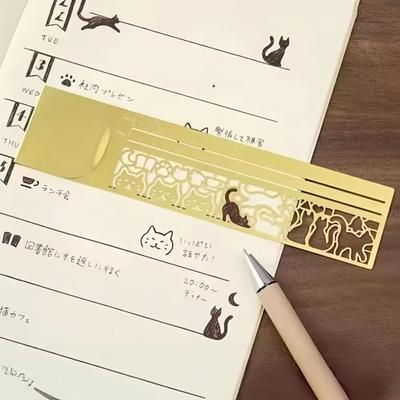
Inspired Finds Cat Pattern Multifunctional Bookmark Ruler For Planners Cat Pattern Multifunctional Bookmark Ruler For PlannersAdd a touch of personality to your planning and notetaking with this cat pattern multifunctional bookmark, great for cat lovers and stationery fans alike. Designed to serve as a doublesided bookmark and ruler, it brings both functionality and charm...34,99 $*Shipping: 0,00 $Secure redirect to the provider
-
Belkin iPhone Mount with MagSafe for Mac Notebooks (MMA006) - WhiteMagSafe-compatible iPhone mount designed for MacBook Air (2018+) and MacBook Pro (2019+), enabling high-quality video calls via Continuity Camera. Features 360-degree rotation for portrait and landscape orientation, integrated ring grip, and kickstand functionality. Weighs 35 g with 2-year manufacturer's guarantee.45,99 £*Shipping: 0,00 £Secure redirect to the provider
-
Uplift Picks Waterproof Bird Sticker Set For Scrapbooking Journals And Gifts 500pcs Waterproof Bird Sticker Set For Scrapbooking Journals And Gifts 500pcsBrighten everyday moments with a delightful collection of bird stickers designed to spark creativity wherever you use them. This 500piece set offers a wide variety of charming designs that instantly elevate journals, laptops, and gift packaging....47,00 $*Shipping: 0,00 $Secure redirect to the provider
-
Are wages liabilities?
Yes, wages are considered liabilities for a company because they represent an obligation to pay employees for their work. From an accounting perspective, wages are typically recorded as a liability on the company's balance sheet until they are paid to the employees. This reflects the company's obligation to fulfill its financial commitments to its employees. Therefore, wages are classified as a liability until they are settled. **
-
What are liabilities and receivables?
Liabilities are obligations or debts that a company owes to external parties, such as loans, accounts payable, or accrued expenses. They represent the company's financial responsibilities that must be settled in the future. Receivables, on the other hand, are amounts owed to a company by its customers or other parties for goods or services provided. They represent the company's right to receive payment and are considered assets on the company's balance sheet. Both liabilities and receivables are important components of a company's financial position and are crucial for assessing its overall financial health. **
-
What are transitory assets and/or liabilities?
Transitory assets and/or liabilities are items on a company's balance sheet that are expected to be settled or used up within a relatively short period of time, typically within one year. These items are considered to be temporary in nature and are not expected to have a long-term impact on the company's financial position. Examples of transitory assets include cash, accounts receivable, and inventory, while examples of transitory liabilities include accounts payable and short-term debt. It is important for investors and analysts to understand the nature of these transitory items when evaluating a company's financial health and performance. **
-
Why is equity on the liabilities side?
Equity is placed on the liabilities side of the balance sheet because it represents the claims of the company's owners or shareholders on the company's assets. It is considered a liability because the company has an obligation to its owners to repay their investment in the business. However, unlike other liabilities, equity does not have a fixed repayment schedule and is considered a residual claim, meaning it is only paid out after all other liabilities have been settled. Therefore, equity is categorized as a liability on the balance sheet to accurately reflect the financial obligations of the company. **
Similar search terms for Liabilities
-
Nobo Glide Whiteboard Pens Bullet Tip 4 PackGlide whiteboard pens deliver thick and smooth lines when used on dry wipe whiteboards and non-porous surfaces such as glass and enamel. These non-permanent whiteboard markers are fast drying with low odour ink. Available in a choice of colours to meet all your presentation needs; ideal for schools, offices and at home. Pack of 4 dry wipe pens with a bullet tip 2mm width. Use with a Nobo whiteboard for optimum performance.18,49 £*Shipping: 0,00 £Secure redirect to the provider
-
Nobo Liquid Ink Whiteboard Pens Bullet Tip 6 PackThese everyday non-permanent whiteboard markers are highly versatile for use on non-porous surfaces such as whiteboards, glass and enamel. They are fast drying and can be removed easily using a dry cloth. These liquid ink pens also have a handy reservoir window showing ink levels so you never run out at a crucial moment. Available in a choice of colours to meet all your presentation needs; ideal for schools, offices and at home. Pack of 6 dry wipe pens with a bullet tip 3mm for consistent smooth lines. Use with a Nobo whiteboard for optimum performance.27,49 £*Shipping: 0,00 £Secure redirect to the provider
-
Neomounts NSLS200 Foldable Laptop Stand for 10-17" Notebooks, Height Adjustable - SilverThe Neomounts NSLS200 is a universal folding laptop stand for notebooks from 10" to 17" weighing up to 5 kg. It offers seven height positions from 20.7 to 26.7 cm plus depth adjustment, and the open frame improves airflow under the laptop. Anti-slip silicone pads and a front safety ledge keep the laptop in place, and it folds flat for carrying.64,99 £*Shipping: 0,00 £Secure redirect to the provider
-
How are the assets and liabilities evaluated?
Assets and liabilities are evaluated based on their current market value or book value. For assets, this means determining their fair market value, which is the price that they could be sold for in the current market. Liabilities are evaluated based on their current outstanding balance or the amount that is owed. This evaluation helps to determine the financial health and position of a company, as well as its ability to meet its financial obligations. **
-
What is a statement of assets and liabilities?
A statement of assets and liabilities is a financial document that provides a snapshot of an individual's or organization's financial position at a specific point in time. It lists all the assets, such as cash, investments, property, and equipment, as well as all the liabilities, such as loans, mortgages, and other debts. The statement helps to assess the overall financial health and solvency of the entity by comparing the total assets to the total liabilities. It is an essential tool for financial planning, decision-making, and assessing the ability to meet financial obligations. **
-
How can liabilities be settled in other ways?
Liabilities can be settled in other ways through various means such as debt restructuring, where the terms of the debt are renegotiated to make it more manageable for the debtor. Another way is through debt-for-equity swaps, where the creditor agrees to convert the debt into an ownership stake in the debtor's company. Additionally, liabilities can be settled through the sale of assets, where the debtor sells off assets to generate cash to pay off the liabilities. Finally, some liabilities can be settled through the issuance of new debt to replace the existing liabilities, known as refinancing. **
-
What is the difference between receivables and liabilities?
Receivables are amounts owed to a company by its customers or other parties for goods or services provided, while liabilities are obligations or debts that a company owes to its creditors or other parties. In other words, receivables represent money that is owed to the company, while liabilities represent money that the company owes to others. Receivables are considered assets on the company's balance sheet, while liabilities are recorded as obligations or debts. **
* All prices are inclusive of VAT and, if applicable, plus shipping costs. The offer information is based on the details provided by the respective shop and is updated through automated processes. Real-time updates do not occur, so deviations can occur in individual cases. ** Note: Parts of this content were created by AI.